Game Design

Tova Sarah BELE (she/her)
Vienna – AUSTRIA
Linkedin.com/in/tovabele

Tova Sarah BELE (she/her)
Vienna – AUSTRIA
Linkedin.com/in/tovabele

Category: process

  • Core concept

    Core concept

    I like to think that at the start of every game is a core experience that exists in the creator’s mind.

    Finding this core experience is the best way to start.

    Now, from this I can create a network of elements (features) that in turn will be the basis for

    • Game mechanics: the verbs we let players use to play the game
    • Elements: all the content required to allow playing the game
    • Adjectives: the how of the verbs and elements; mood, style, all the emotions conveyed outside the interactive experiences
  • Design & document

    Design & document

    Ideally, I like to design after the core experience has been established.

    In any case, design can happen in many forms, usually following the method that best describes the element at hand. Whatever get’s the job done.

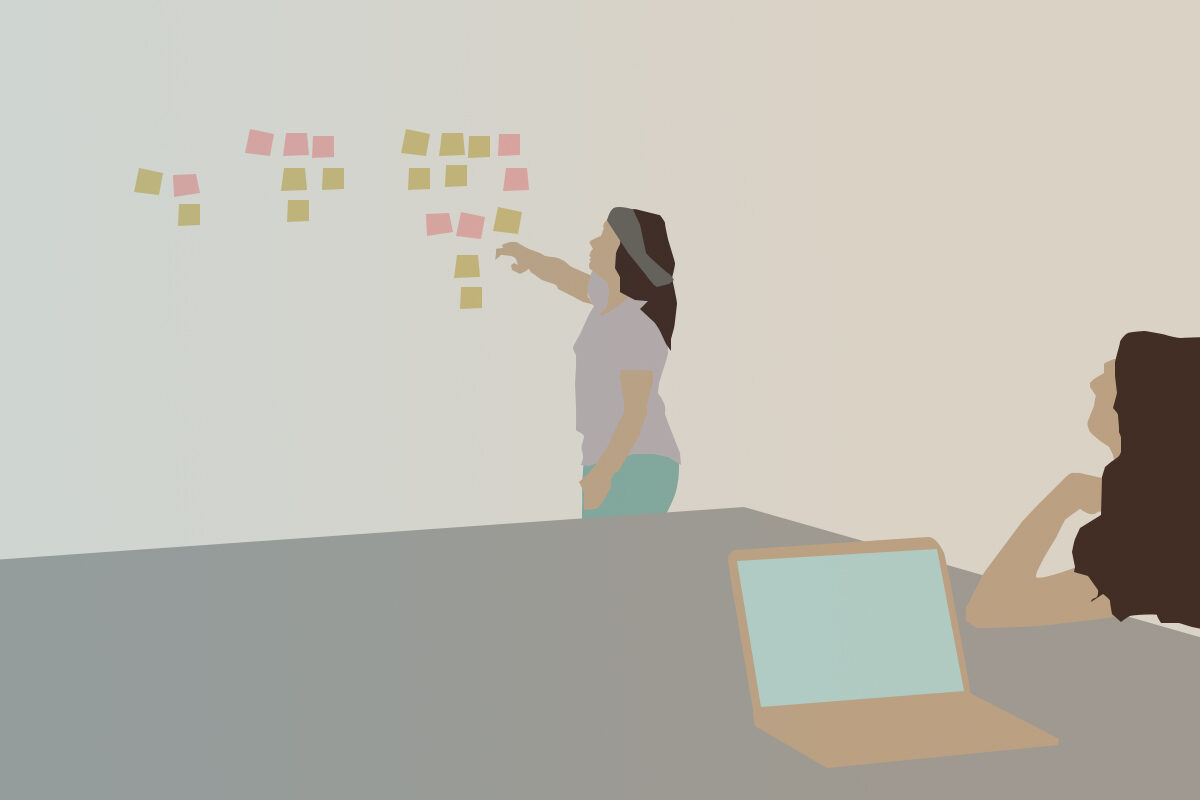
    I tend to design very visual, and ideally in sessions involving communication. We usually discover more than the sum of all inputs along the way.

    When documenting, a feature-and-design approach has proven quite useful. I am well versed in Confluence and JIRA which makes tracking and linking the design process easy for production.

  • Prototyping

    Prototyping

    Prototypes are essential once we have at least one interaction (usually verbs) defined; ideally in conjunction with a core experience that the game is about.
    Through this lens we can assess if the specific game play element supports the experience.

    • Paper prototypes in my experience work well for meta game and strategic choices.
    • Playables done in Unity, Game Maker, Construct, Phython, Unreal editor are a great way to test the physicality of real time interactions.
    • Discard each prototype once it has proven the point; even if the outcome was that the idea doesn’t communicate, which is also an important conclusion.

  • Production

    Production

    I have been part of a lot of different creation processes during production.

    Once the designs exists in an at least fundamental form, when prototypes have proven game play elements, and toolchain (workflow of pipelines) are established, we leave pre-production and enter production: the process of filling up the game play elements and features.

    • Level design and creation: using all methods of planning, scripting and modelling game worlds.
    • Character creation, rigging, setup: I am experienced in using classic and up-to-date software packages to create or edit characters. Usually I work with concept artists, modelers, animators and programmers to bring characters into the game.
    • UI creation and animation: I have long term image creation and manipulation know-how: pixel art, vector tools and the combination of both; I like using Miro boards to coordinate, Figma and similar to test UX, then implement the UI in whatever the game engine and target hardware supports
    • Story writing, scripting, direction. From the classic ‘movie style’ script format to interactive Twine trees
  • Design team leadership

    Design team leadership

    I manage design and content teams.

    Knowing and cherishing your designers can be one of the most satisfying hands-off experiences. I like to foster a pro-active review and feedback culture, creating trust and pride in each colleague’s work.

    This also includes onboarding new members, tutorial documentation for future team members, documenting best practices, optimizing work flows.

    I am a certified SCRUM master (mistress?) and have experience working with both agile teams and product owners.